Mystery and action ideas: from curiosity to discovery
Have a question you cannot stop thinking about or an exciting discovery idea? Share it with us: we welcome suggestions on any subject worth exploring.
Submit your idea
Turn curiosity into a clear question
A local account, the history of a forgotten route or a sequence of connected clues can give a mystery story its starting point. Explain what we would investigate and why it matters. An achievable goal gives the episode direction, going beyond atmosphere alone to create a journey viewers can follow.
Separate rumours from verified facts
State where an account comes from, which sources could be consulted and what remains unconfirmed. Local rumours should not be presented as facts, and unsupported accusations do not make a strong story. Compare explanations and allow evidence to change the direction. The investigation can be worthwhile even when its conclusion is unexpected.
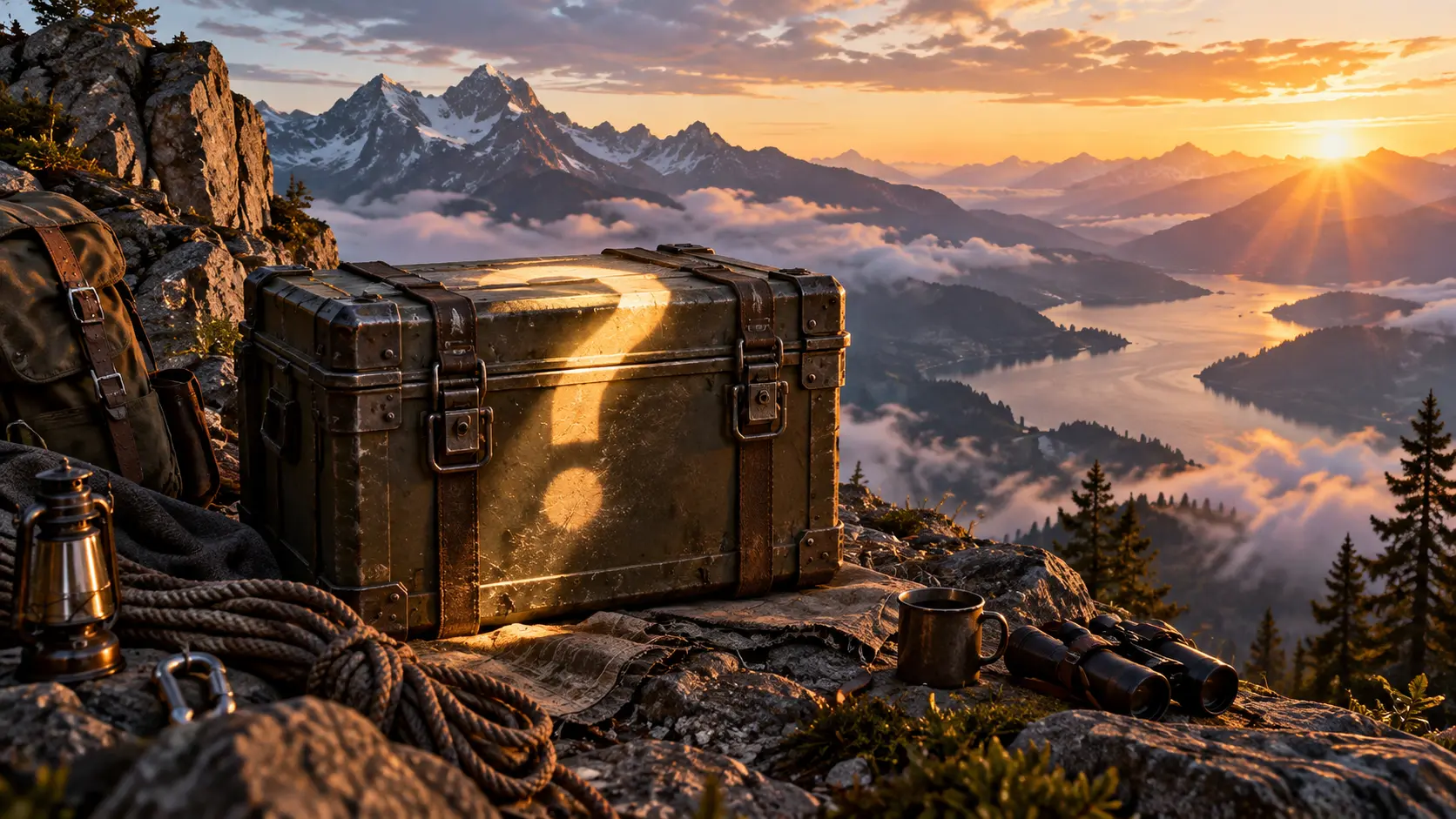
Give clues a meaningful sequence
Finding a map location, comparing an archive photograph or interviewing a knowledgeable person could form stages of an investigation. These are examples, not an existing event. Think about what the audience learns at each stage. Build curiosity through observation and comparison without distorting essential information to hide the answer.
Create action through planned challenges
Action need not mean high-risk stunts. Managing time, making team decisions or completing tasks on a marked route can create momentum. Consider experience, weather, equipment and a safer backup plan. Entering prohibited places, digging without permission or damaging nature is not a discovery method; uncertain risks require separate assessment.