
How does this method work?
Choosing a niche is not about staying on one topic throughout your life, but about clarifying why your first audience will follow you. Your interest, knowledge, reach, and genuine audience need must intersect. Entering a subject you are unfamiliar with just because high advertising revenue is talked about may increase the research burden and the risk of misinformation. The unique examples you can produce are a significant advantage.
Evaluation with a concrete example
'Sport' is very broad, while 'maintenance and route for first-time city bike buyers' describes a more specific audience. Choosing too narrowly can also make it difficult to produce enough sections. Try writing at least ten factual questions under your candidate topic. If the questions are repetitive, change the topic limit. Judge the value of your niche by the ongoing need of the audience, not just by search volume.
Your first application: what should you have?
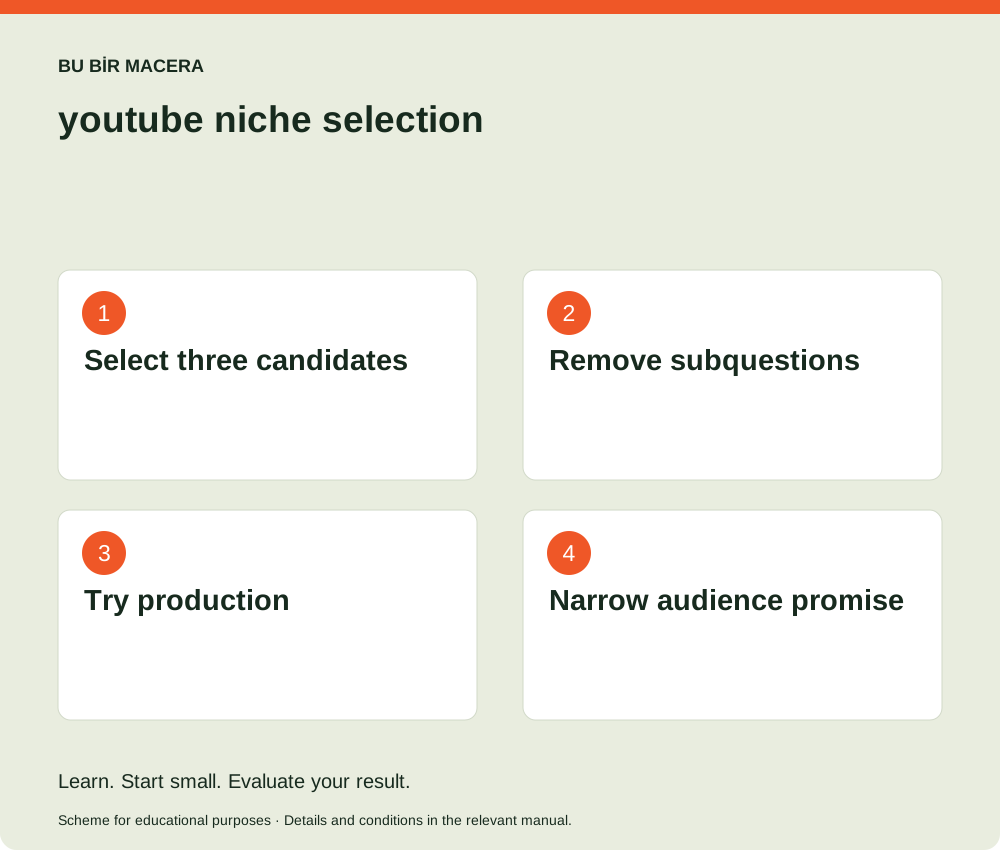
Grades of knowledge, production access, different perspectives and sub-topic richness are issued for three candidate topics. Produce one small essay from each and record how difficult the preparation was for you. Your output is a channel positioning that explains why you can deliver regular content to this audience, not a tag based on a revenue forecast.