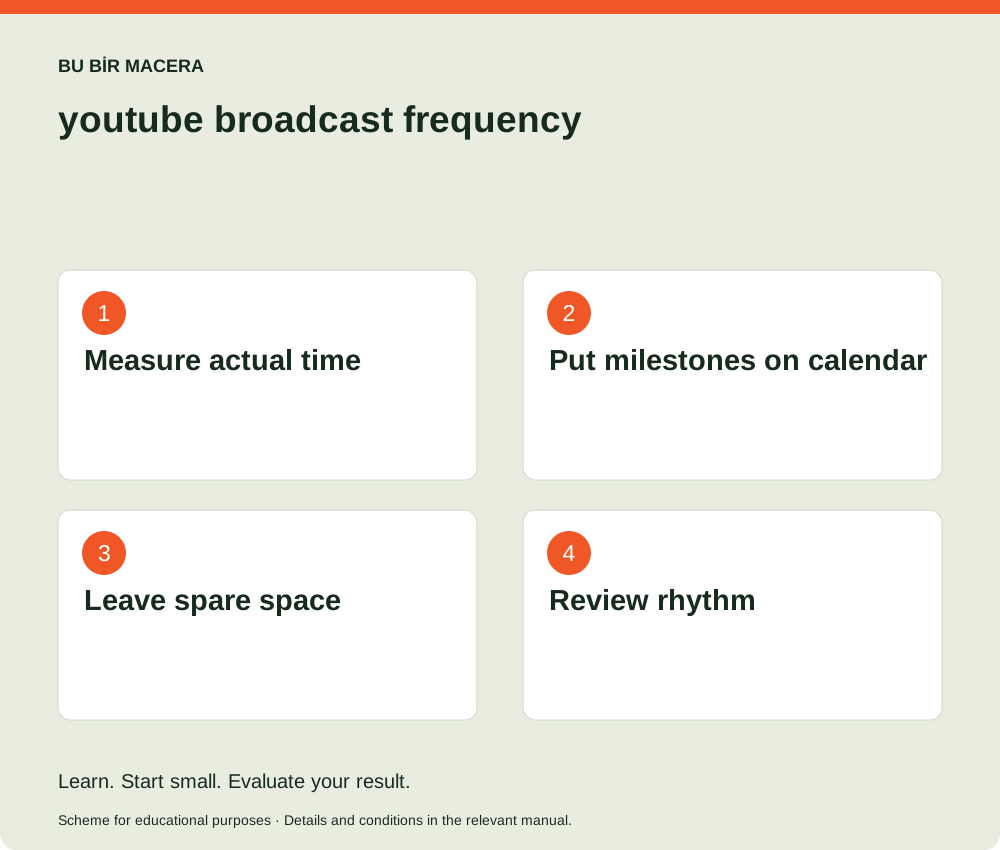
How does this method work?
Release scheduling is not just choosing a date on the calendar; It ensures that research, shooting, editing and control are completed by that date. Setting frequencies above actual capacity may challenge quality and continuity. Match the frequency you promise to the audience with your production time. A rhythm that can be sustained in the initial phase is more manageable than short periods of intense broadcasting followed by long silence.
Evaluation with a concrete example
If you have eight hours a week, you can create a sample plan that allocates two hours to research, two hours to shooting, three hours to editing, and one hour to cover-checking. This is just a capacity calculation; real work may take longer. For outdoor shooting, write down dependencies such as weather and permission separately. Preparing a small backup section instead of waiting for the file to be finished on the day of publication reduces disruptions.